🍃 Appearance and Form
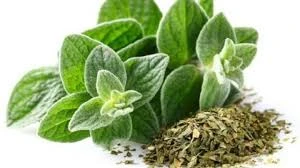
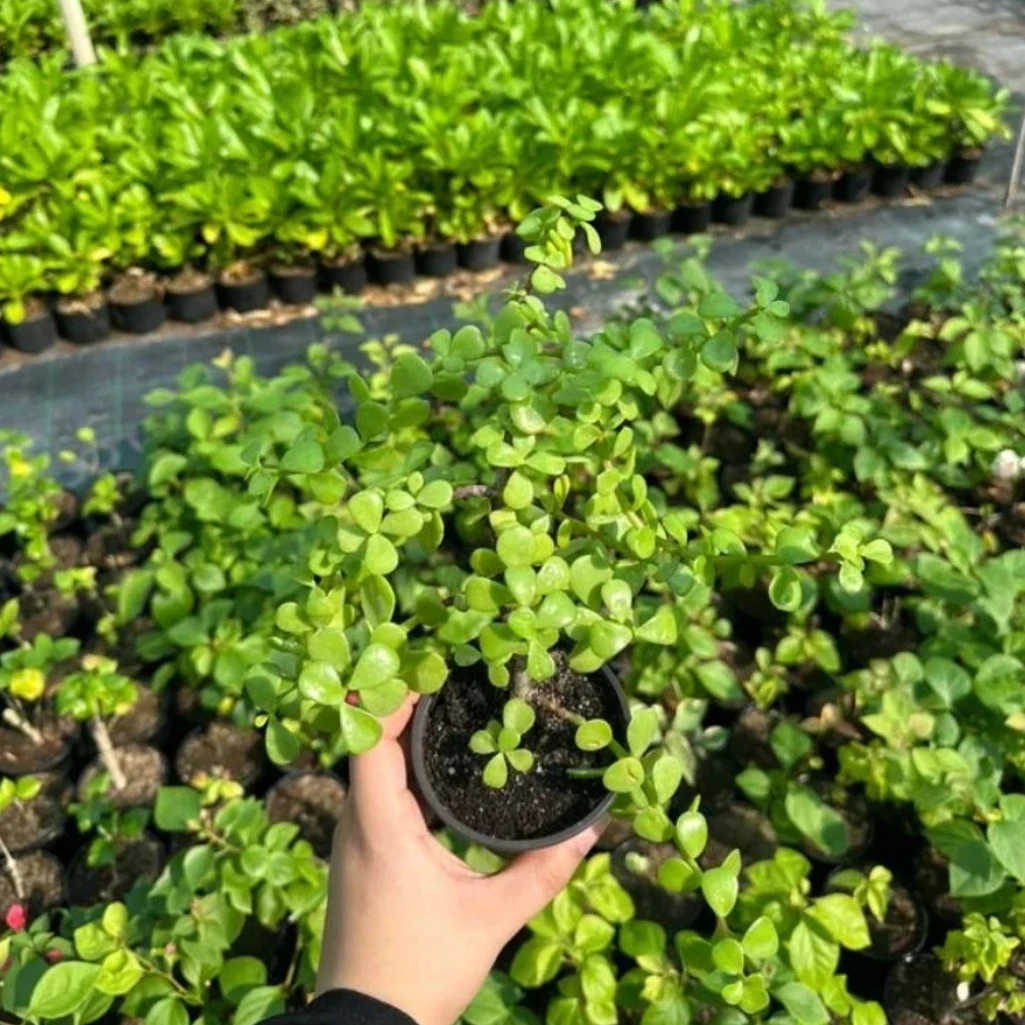
Leaves: Oval-shaped, small to medium-sized, with a slightly velvety texture. They are green and very rich in essential oils, giving them a distinct and strong aroma.
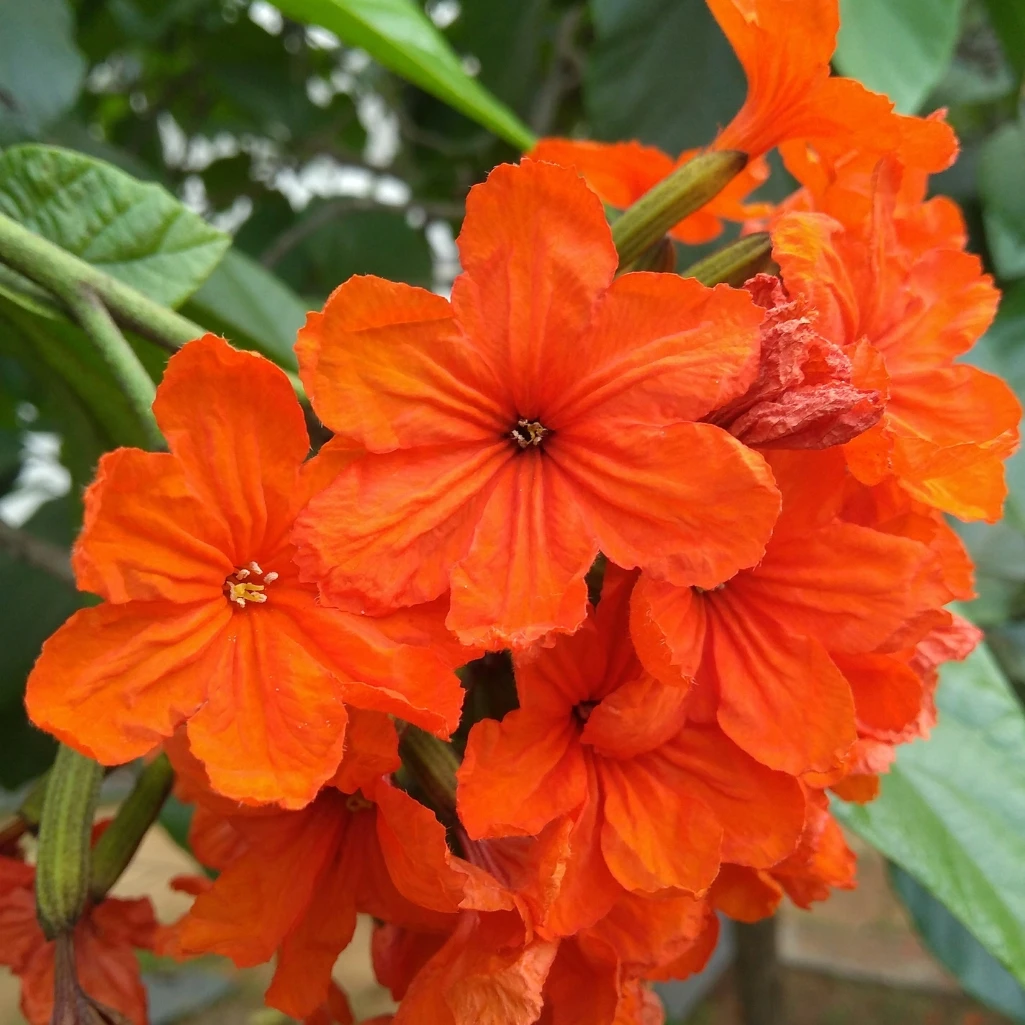
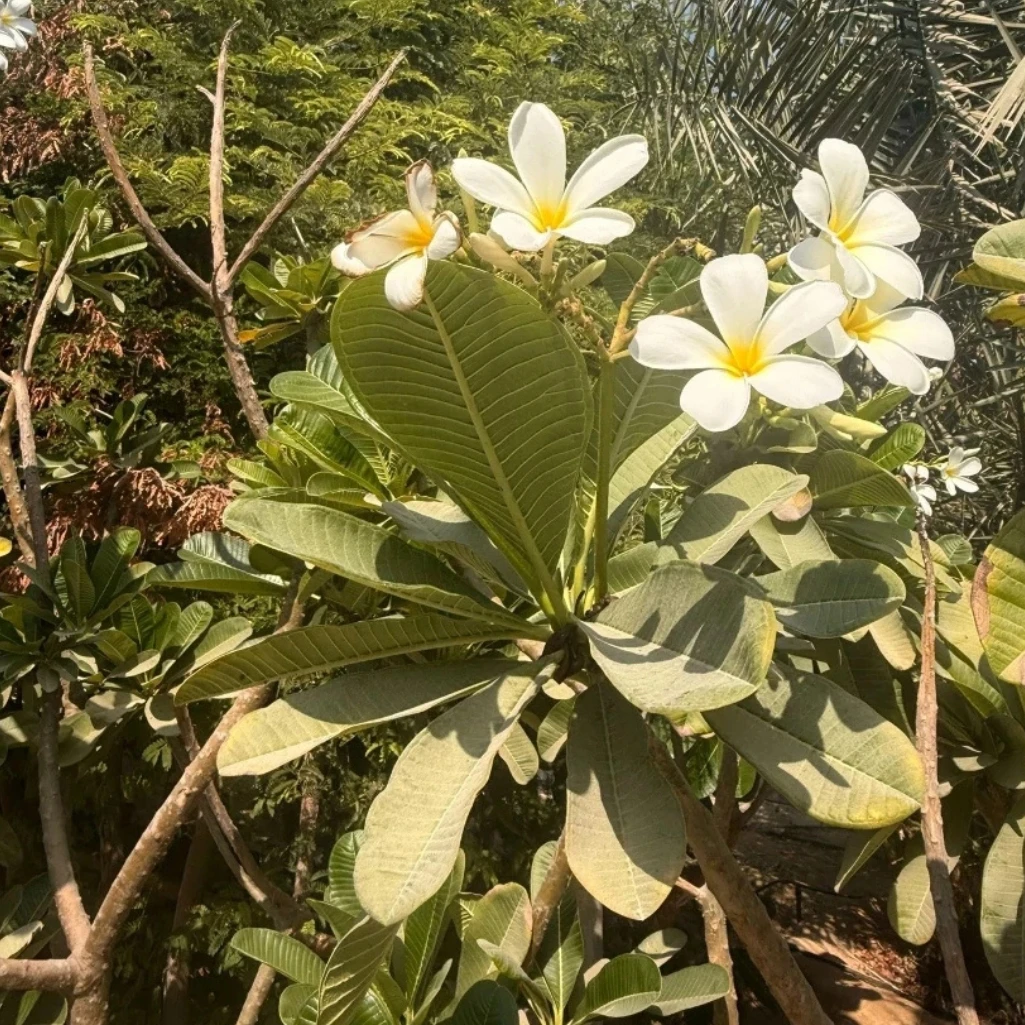
Flowers: Appear in the summer in small clusters, with colors ranging from white to pink and light purple. They are highly attractive to bees and butterflies.
Growth: A perennial herbaceous plant that grows in a branching manner. It can be upright or spreading (creeping), typically reaching a height of 30 to 60 cm.
☀️ Care
Lighting: Loves bright, direct sunlight (6 to 8 hours daily) to enhance the concentration of essential oils and the robust flavor in its leaves.
Watering: Low to moderate; it prefers dry conditions over excess moisture. You must ensure the soil is completely dry before watering again to protect the roots from rot.
Soil: Light, sandy, fast-drying, and well-draining. Interestingly, the poorer the soil is in organic matter, the stronger the flavor and aroma of the oregano!
Temperature: Excellently tolerates high heat and drought, and can withstand moderate cold. However, it prefers a warm, dry climate (Mediterranean climate).
🌱 Uses
Culinary: The undisputed champion of Italian and Greek cuisines. It is the essential and most famous ingredient in pizza sauces, pasta, salads, and marinades for chicken and meat. (Oregano is unique in that its flavor becomes stronger and more concentrated when dried compared to when it is fresh).
Health: Oregano oil is known for its highly potent antibacterial, antifungal, and antioxidant properties. It is popularly used to support the immune system and help relieve colds and respiratory issues.
Ornamental Gardens: Planted as a beautiful ground cover, in rock gardens, or in window boxes. It is considered an excellent companion plant, as its pungent scent helps protect garden vegetables from various insects.